
What changed
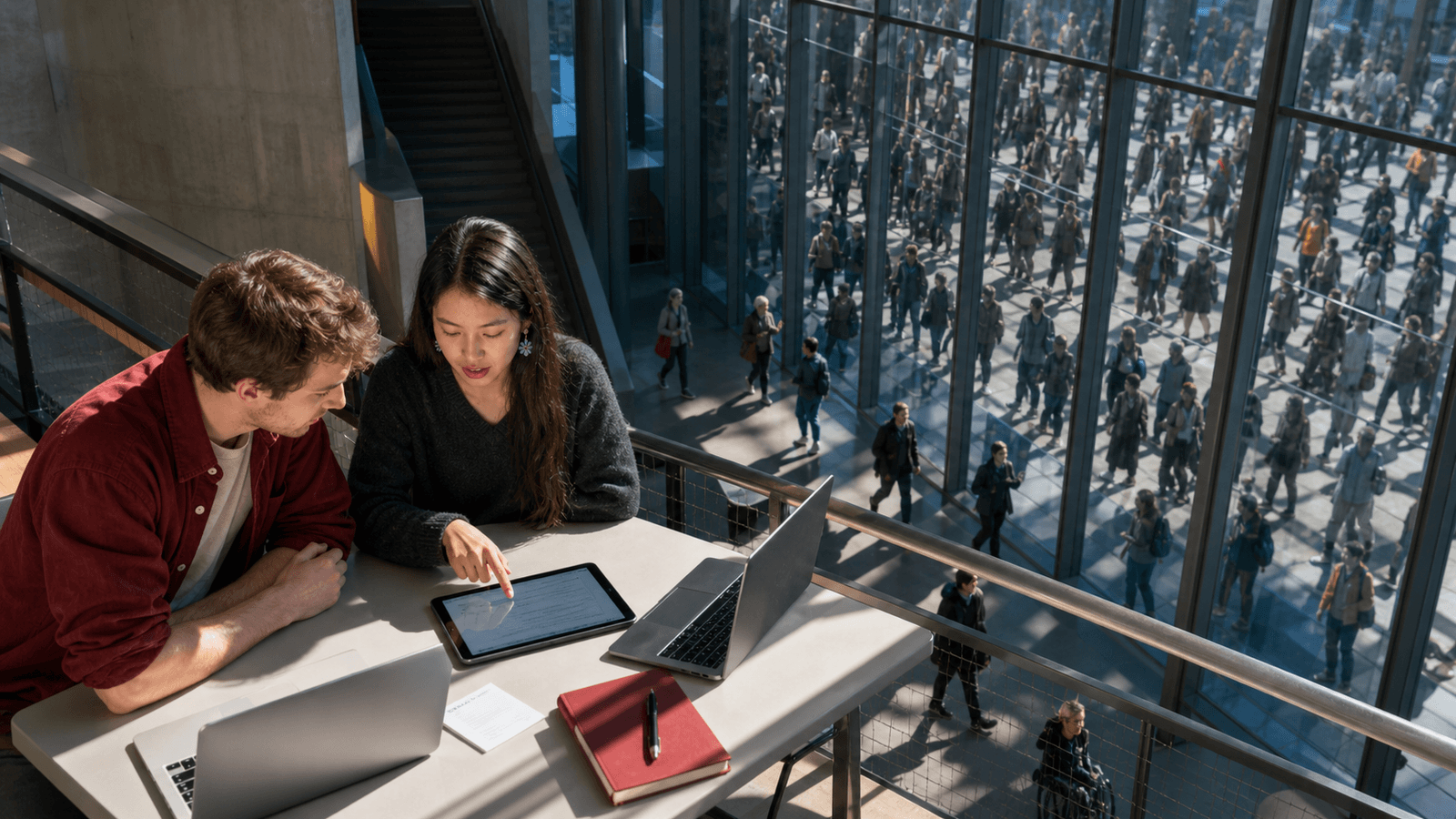
A team led from Harvard and MIT released Persona 8B for free in August: a database of 8.3 billion simulated customers, more profiles than the world has people, each carrying 1,290 traits, which means product testing just got a synthetic crowd.
The study shows the tool runs Claude and GPT models as stand-in shoppers, chatbot users, and app testers, replacing slow, costly human panels for early screens.
Simulated customer profiles, released free. Each carries 1,290 traits. More profiles than the world has people.
Why it matters
The researchers' own numbers carry the warning. In this year's trials, personas stayed in character 91.5 percent of the time, yet on one identical shopping test the buy rate swung from 23.2 percent to 93.9 percent depending only on which AI played the shopper, which means the customer you simulate depends on the model you rent.
For working people the stakes are direct, because the tools used to test prices, apps, and chatbots on you are shifting from real focus groups to AI stand-ins. The team behind it claims the tool targets slow, costly human user-testing panels. Taken together, the swing suggests the same AI can play both the customer and the product, and grade its own homework.
What to watch
If product teams treat persona results as early screening only, the tool could save real testing money; if they justify price hikes with it before the model-dependence problem is fixed, customers would pay for a simulation's taste.
Whether these uses become standard is not yet known. Watch whether the swing narrows in follow-up work, because until it does, a buy rate from a simulated crowd is a coin with a chosen side.
Reader comments
Not signed in yet — hit Post and we'll finish it together