
What changed
The Crunchbase report shows $47.4 billion going into physical AI in the first half of 2026, up from $12 billion in the previous half, which means nearly four times the money. Physical AI here covers robots, self-driving cars, aircraft, drones, factory automation and sensors. The category drew just $41.9 billion across 2022 through 2024 combined, which means six months of this year cost investors more than those three years did. But the number of funded companies barely moved. There were 521 deals in the first half, up from 470 in the previous half, which means about eleven percent more companies split nearly four times the money.
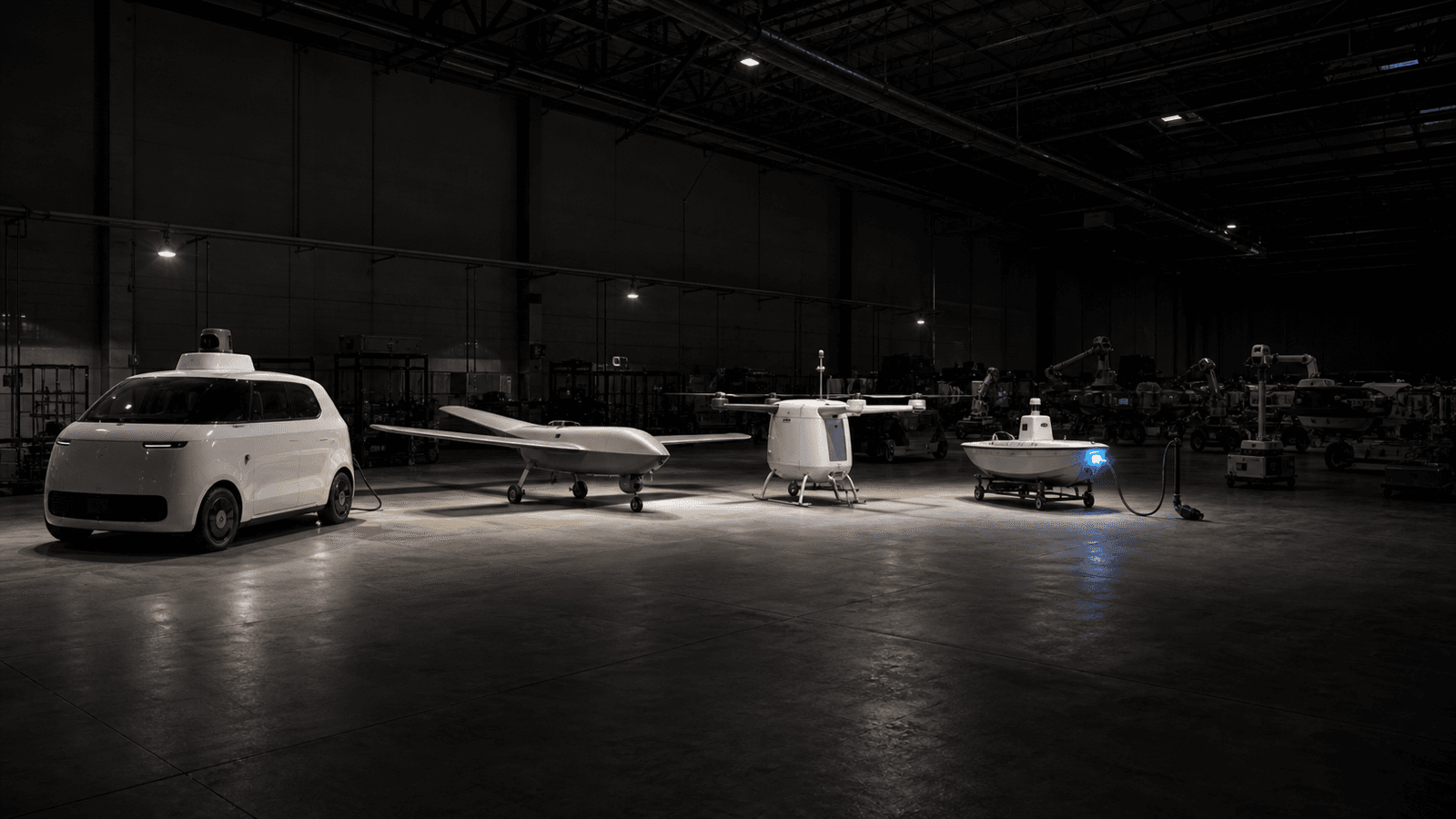
Global venture funding into physical AI in the first half of 2026, nearly four times the $12 billion of the previous half.
Why it matters
Four deals took 52 percent of the first half total, which means most of it paid for four companies rather than the field. Waymo alone raised $16 billion in February, roughly a third of everything, which means one company took more than the whole category raised in the previous half. Strip Waymo out, and the average round is $60.4 million, versus $60.6 million in last year's first half, which means the typical company's check did not grow at all. That flat average suggests the money did not spread across the field. It stacked on a handful of companies already close to production, and mostly on one kind of company. Three of the four biggest rounds are defense. Anduril raised $5 billion in May at a $61 billion valuation, double the $30.5 billion it carried less than a year prior, which means its price doubled inside twelve months. The exits ran the same direction, into aerospace, defense and drones rather than robotics. So if you are watching where this capital turns into hiring, it points at defense plants, drone and vessel yards, and robotaxi depots, not humanoid robot factories. Hiring is one way this reaches an ordinary reader. Owning a piece is the other, and that part is new. SpaceX raised $75 billion in its June listing, more than venture investors put into the whole category in the previous half, which means the public market wrote a bigger check than the private one.
What to watch
The second half is the test. If dollars stay high and the deal count finally climbs with them, the money will be reaching new companies instead of the same few. What stays unclear is whether defense demand holds, because three of the four largest checks lean on it. Eclipse Capital's Joe Fath says customers value operational efficiency, reliability and revenue, not technical sophistication alone. That is the standard to hold these companies to, and funding is not evidence of it. If dollars slide back to $12 billion, down from $47.4 billion in this first half, and the deal count stays flat, that means the boom was four checks wearing a category's name.
Reader comments
Not signed in yet — hit Post and we'll finish it together