
What changed
Sweetgreen told investors in August that full-year sales would fall 7 to 8 percent, worse than the 2 to 4 percent decline it projected before, which means the chain cut its year over an outbreak it had nothing to do with. Sweetgreen does not buy iceberg lettuce, and no health authority has linked it to the outbreak.
The mechanism is a parasite called Cyclospora that spreads through fresh produce. The FDA's outbreak record shows the source as iceberg lettuce from one supplier, Taylor Farms de Mexico, recalled in mid-July. A recall can name a supplier, but it cannot tell a shopper which bag on the shelf is safe, so shoppers skipped the salad aisle entirely.
Why it matters
That gap is where the money goes. NielsenIQ's data show fresh lettuce unit sales fell 9 percent in the week ending mid-July, deeper than the recall alone explains, which means shoppers dropped the whole category rather than one bad item.
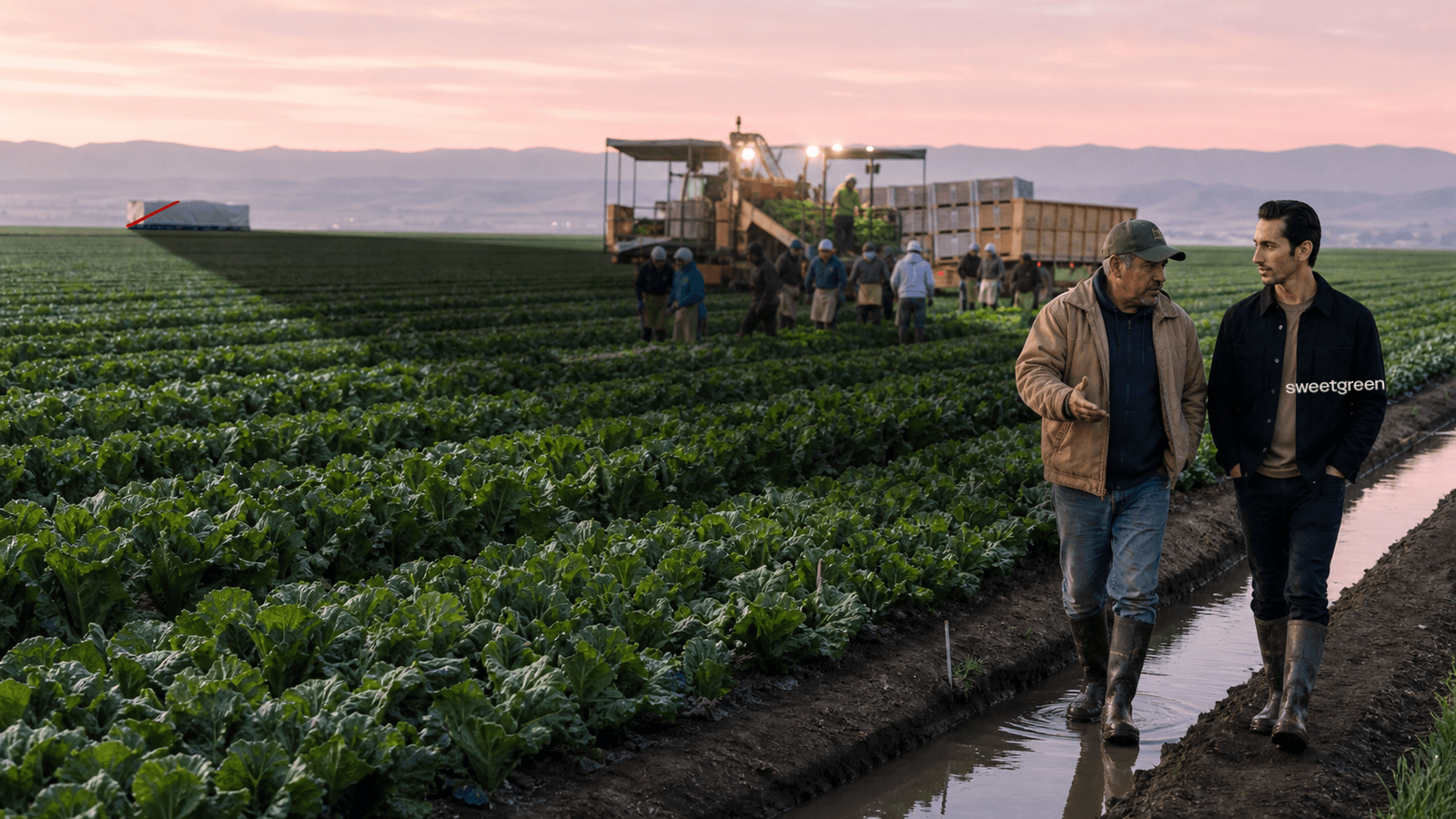
In California's Salinas Valley one grower plowed three hundred thousand pounds of clean romaine back into the dirt, because his buyer's customers could not tell his crop from the recalled one. Taken together, the sell-off suggests the market is repricing trust, not safety. If you cook, serve, stock or drive fresh produce for a living, your hours follow that demand line, not the lab result.
What to watch
Michigan carried the worst of the fear and lifted its warning in early August. If lettuce sales recover in the weeks after, the damage would read as a scare; if they stay down, the market will have repriced trust for good.
Sysco says it moved its iceberg buying from Mexico to U.S. growers while still calling Taylor Farms a high-integrity supplier, because proving where food came from is now the selling point. Whether growers who can prove provenance start earning a durable premium is not yet known; until the category recovers, every clean crop pays part of one supplier's bill.
Reader comments
Not signed in yet — hit Post and we'll finish it together